Why should textile mills consider using recycled polyester fiber and filament yarn?
In today's textile industry, environmental protection and sustainable development have become the focus of global attention. With the increasing demand of consumers for environmentally friendly products, how textile mills use recycled materials in the production process, especially recycled polyester fiber and recycled filament yarn, has become an important direction to promote the transformation of the industry. Recycled polyester fiber, as an environmentally friendly textile raw material, can not only reduce waste emissions, but also reduce dependence on natural resources, providing more sustainable development opportunities for the textile industry.
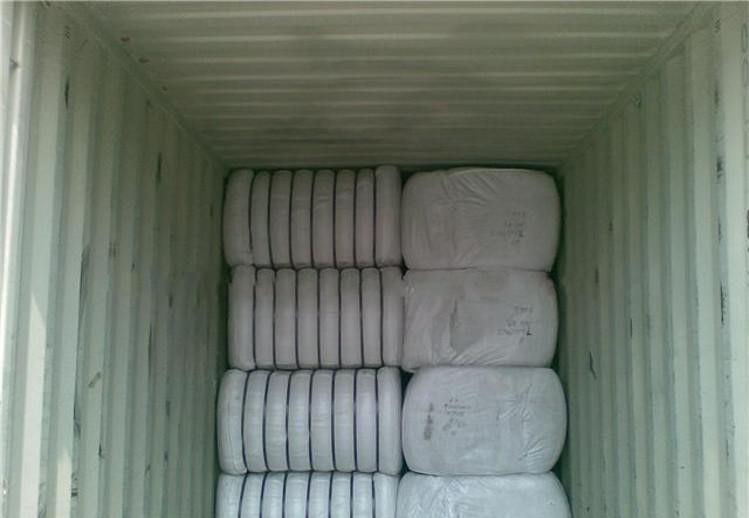
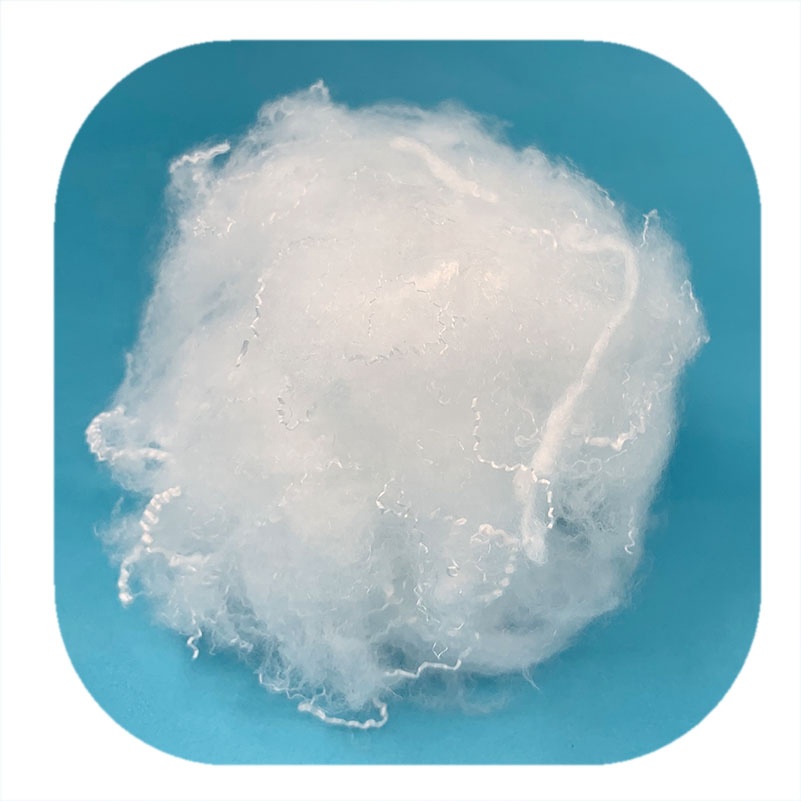
Recycled polyester fiber is converted into new fibers by recycling polyester materials such as plastic bottles and waste clothing after use, and then undergoing a certain treatment process. This fiber not only has similar properties to virgin polyester fiber, such as high strength, wear resistance, and UV resistance, but also can significantly reduce carbon dioxide emissions and energy consumption. Textile products using recycled polyester fiber can not only meet the market demand for environmentally friendly products, but also help companies stand out in the fierce market competition and enhance the market awareness and reputation of the brand.
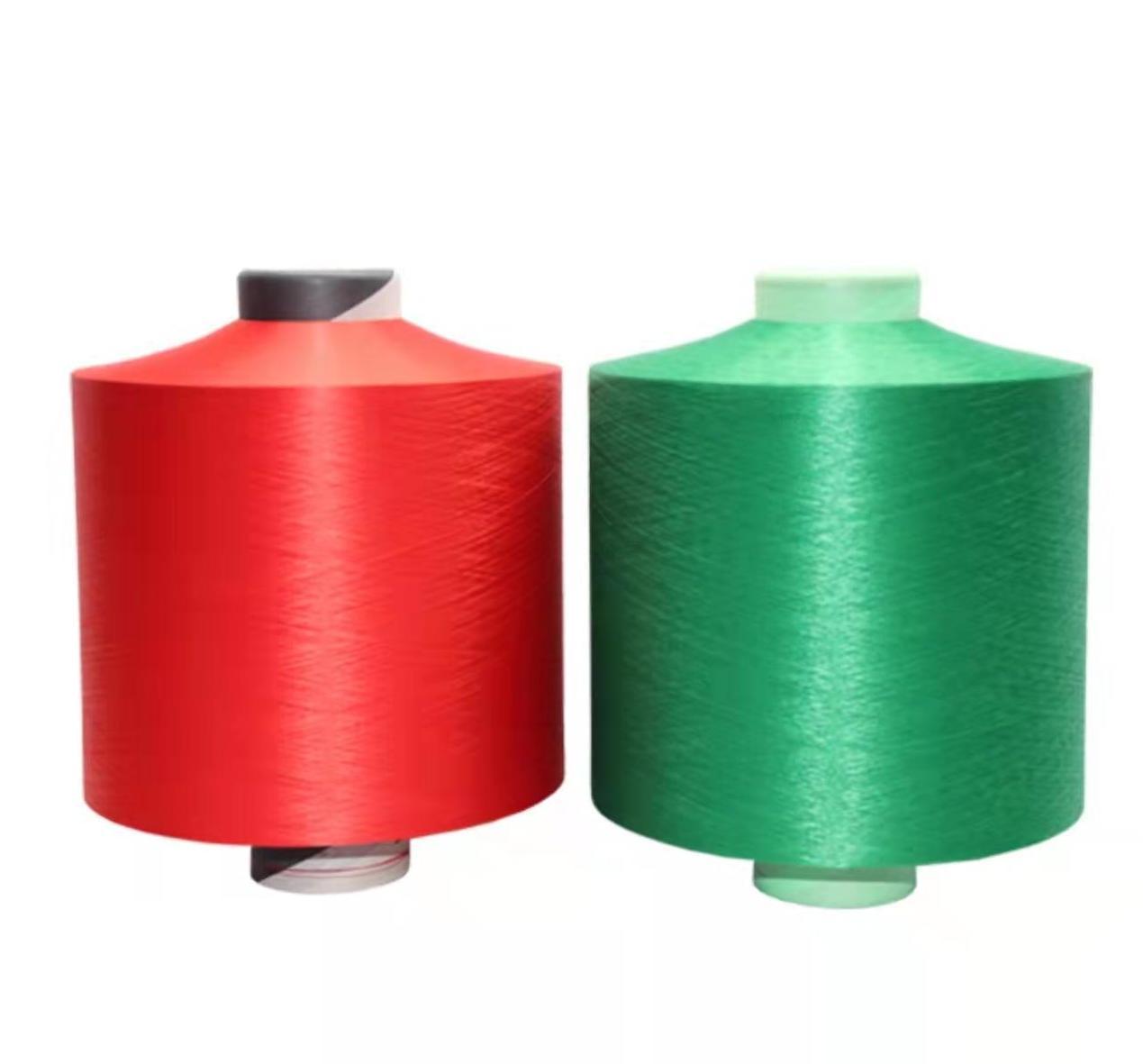
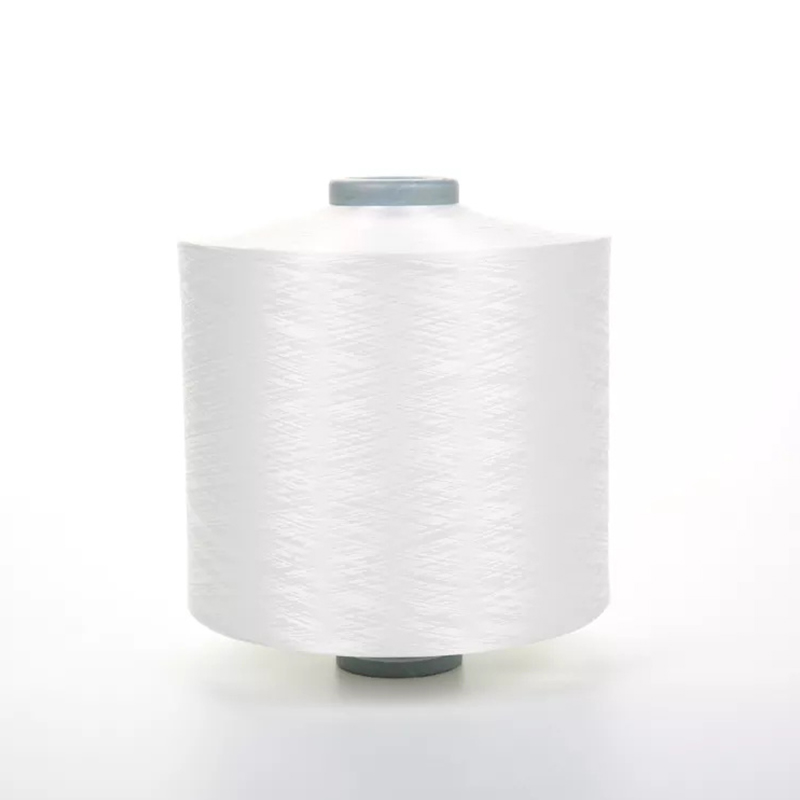
In addition to recycled polyester fiber, the use of recycled filament yarn is also of great significance. The production process of recycled filament yarn is also based on recycled polyester fiber, which is processed into the filament state required for textiles. This type of yarn is widely used in many fields such as clothing, home furnishings, industry and automobiles. It has excellent softness, glossiness and strength, and can meet the production requirements of high-quality products. Moreover, compared with traditional filament yarn, the production process of recycled filament yarn requires lower energy and resource consumption, which is an effective way to achieve sustainable production.
For blended yarns, the combination of recycled polyester fiber and recycled filament yarn can bring richer functionality and performance. By weaving different types of fibers in a certain proportion, blended yarns can further improve the durability, comfort and appearance of products while maintaining fiber properties. For example, the blending of recycled polyester fiber and natural fibers can effectively improve the breathability and moisture absorption of textiles, while also maintaining the environmental advantages of recycled materials.
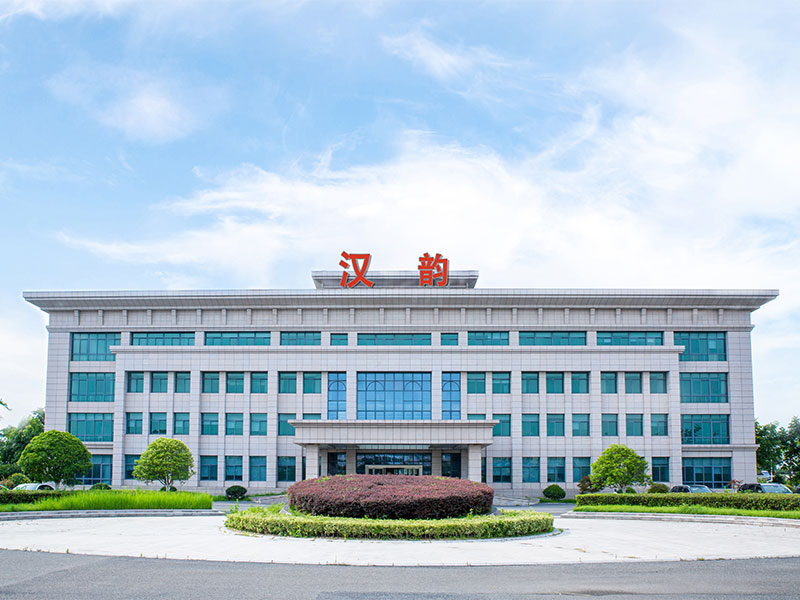
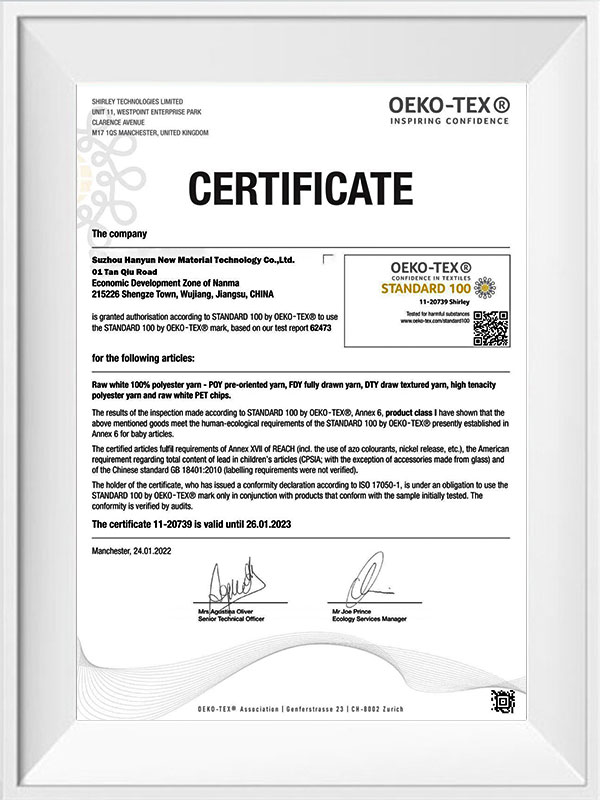
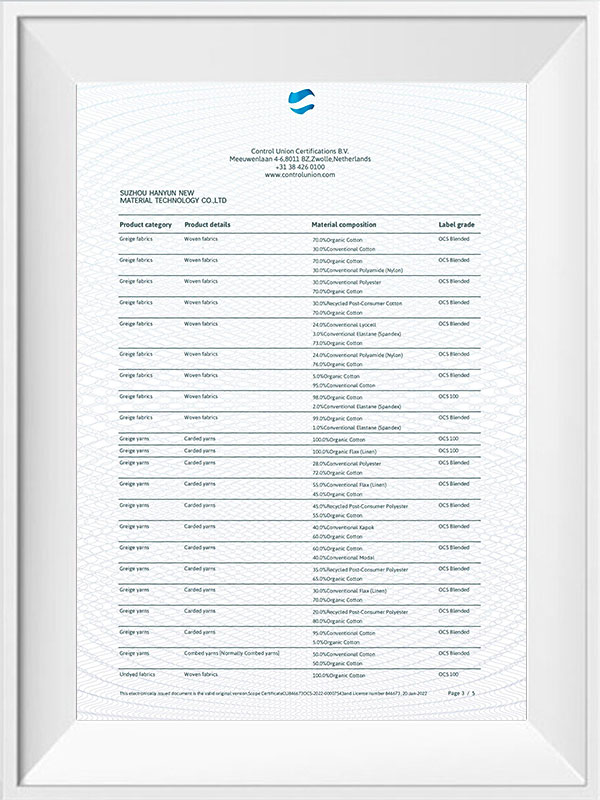
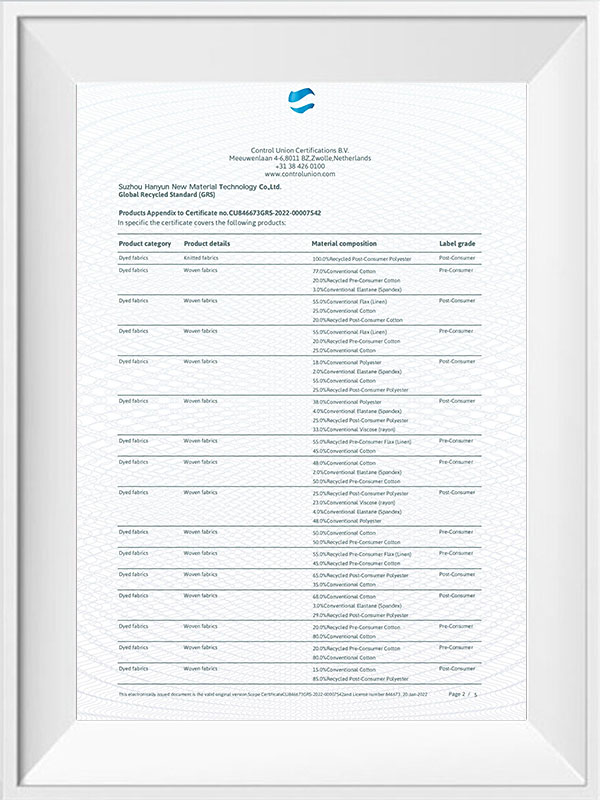
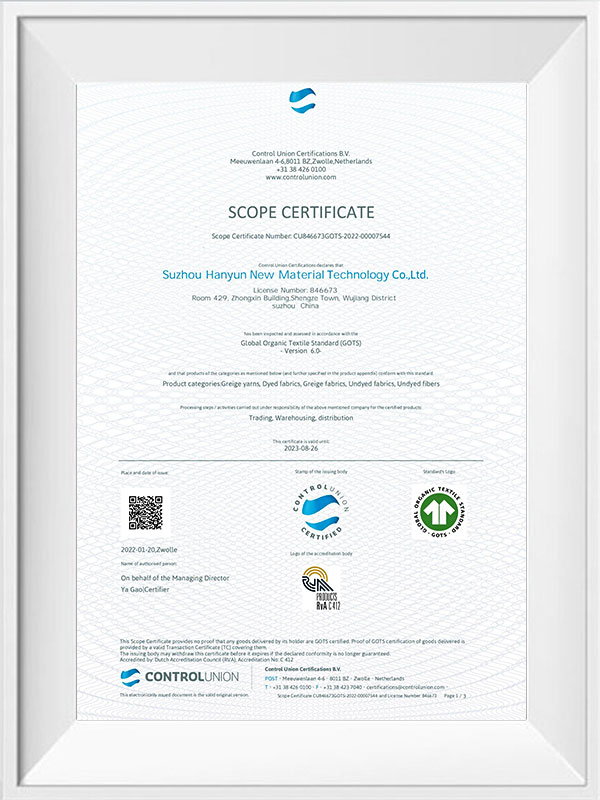
However, despite the many significant advantages of recycled polyester fiber and recycled filament yarn, textile mills still face some challenges when choosing to use these materials. First, the quality and supply stability of recycled materials need to be guaranteed. Recycled polyester fiber comes from a wide range of sources, but the quality differences of recycled materials from different sources may affect the stability and consistency of the final product. Secondly, the production process needs to be adjusted to adapt to the characteristics of recycled materials to ensure that the yarn produced meets customer requirements for performance and quality. Therefore, it is particularly important to choose a supplier with rich experience and R&D capabilities. For example, Suzhou Hanyun New Material Technology Co., Ltd., as a professional fiber manufacturer, with years of R&D experience and technical accumulation, can provide customers with customized recycled polyester fiber and recycled filament yarn solutions to meet the needs of different industries.
In addition to the challenges of raw material selection and production process, the market's awareness and acceptance of recycled textile products is also a factor affecting their widespread application. Although more and more consumers are beginning to pay attention to environmentally friendly and sustainable products, some markets still have doubts about the quality of recycled fiber products. Therefore, companies need to increase market publicity, popularize the advantages and performance of recycled fibers, and enhance consumers' trust in these products.
The wide application of recycled polyester fiber and recycled filament yarn is not only a trend of sustainable development in the textile industry, but also an effective way to improve corporate competitiveness. With the continuous advancement of technology and the increasing market demand for environmentally friendly products, more textile mills will gradually turn to the use of recycled materials, which will undoubtedly drive the entire industry towards a greener and more environmentally friendly direction.



.jpg "Jualan hangat benang dicelup 100% viscose diputar semula benang viscose benang melange untuk mengait")